
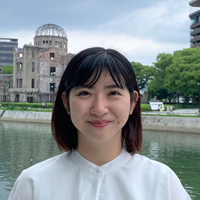
Shizuka Kuramitsu
Research Analyst, Carnegie Endowment for International Peace
In early July 2024, when I was working for the Arms Control Association, we initiated a letter signed by eight renowned experts, former ambassadors, and former senior U.S. government officials.
We sent it to then Japanese Prime Minister Fumio Kishida, as well as the country's Parliamentary Vice-Ministers for Foreign Affairs, ambassadors, departmental and divisional directors of the Ministry of Foreign Affairs, and the Special Advisor to the Prime Minister in charge of nuclear disarmament and non-proliferation.
The letter urged the Government of Japan to undertake a bold initiative: the convening of a landmark two-day global conference on the human health and environmental impacts of nuclear weapons.
The letter argued that Japan — the only nation to have experienced the unspeakable horrors of a nuclear weapons attack — is uniquely positioned to take the lead for such a conference in 2025 in commemoration of the solemn 80th anniversary of the nuclear weapons age and the atomic bombings of Hiroshima and Nagasaki.
Having just started working in Washington, D.C., I witnessed growing salience of nuclear weapons amid intensifying political tensions, particularly among nuclear-weapon states. I have also learned about the diplomatic efforts by non-nuclear-weapon states to push back against that trend. The Arms Control Association's letter urged the Japanese government to consider our proposal ahead of Prime Minister Kishida's last visit to the UN General Assembly meeting scheduled for September 2024, but none of the recipients of our letter replied.
Even today, 80 years since the world entered the nuclear age, most people have only the vaguest notion of the devastating impact nuclear war would have on humankind and the planet. We still have mountains of issues to study concerning the physical, psychological, and social effects of nuclear weapons, whether short-term or long-term, facing lingering uncertainties in information about the damage caused by nuclear weapons.
Reporting or describing the damage caused by the atomic bombings of Hiroshima and Nagasaki was prohibited for as long as about seven years thereafter due to strict control of speech and information under the Press Code for Japan issued by the Office of the Supreme Commander of the Allied Powers. Turning our eyes to the world, we see that nuclear development and testing have mostly taken place in areas inhabited by minorities1, with the severe nuclear damage caused to them downplayed and information thereon still withheld, resulting in their voices being hardly heard in the rest of the world.
Even though we humans do not fully understand the impact of nuclear weapons, the fate of the Earth, or whether or not it will even be able to survive, rests in the hands of the leaders of nuclear-weapon states.
The movement for nuclear disarmament focusing on the humanitarian impacts of such weapons, "Humanitarian Approach" began to attract attention in the 2010s. The humanitarian approach toward nuclear disarmament is based on the idea that, in light of their catastrophic impact, the very existence of nuclear weapons is a serious threat to the security of non-nuclear-weapon states, therefore the survival of humanity requires us to abolish nuclear weapons.
The development of this approach has yielded a significant product: the Treaty on the Prohibition of Nuclear Weapons (TPNW). After a series of Conferences on the Humanitarian Impact of Nuclear Weapons (HINW) and numerous joint statements on the humanitarian consequence of nuclear weapons issued at UN meetings, the treaty was adopted by the UN General Assembly in 2017 and came into effect in 2021. This treaty was the fruit of the combined efforts of diplomats, governments, and civil society, with a keen awareness of and a deep sense of crisis over the devastating impact of nuclear weapons beyond national and generational boundaries. Hibakusha in Japan but also global hibakusha played a central role in mainstreaming their voices.
The first HINW conference was held in Oslo, Norway, in 2013, followed by the second in Nayarit, Mexico, in 2014, and the third and fourth in Vienna, Austria, in 2014 and 2022, respectively.
This series of HINW conferences, which helped increase momentum toward the conclusion of the TPNW was initially aimed at objectively examining the catastrophic consequences of the use of nuclear weapons from scientific and technological perspectives, which involve experts and various other actors in fact-based discussions.
The benefit of holding HINW conferences — which are separated from the Meetings of the States Parties to the TPNW — for presentations on the latest research and discussions based on scientific evidence concerning the impact of nuclear weapons is that it enables effective encouragement of the participation and contribution of non-signatory states to the treaty. However, since the second Meeting of the States Parties to the TPNW in 2023, the panels on the humanitarian consequences of nuclear weapons have been incorporated into the agenda of the meetings of the TPNW.
As long as the world remains under nuclear shadows, all states and human beings, regardless of whether or not they support the TPNW, must continue to discuss the humanitarian consequences of nuclear weapons.
Former Japanese Prime Minister Kishida emphasized that "sharing the real consequences of the atomic bombings with the international community, including national leaders at the highest levels, is a critical starting point for all efforts toward nuclear disarmament2," when the 2023 G7 Summit was held in his hometown of Hiroshima.
This statement heightened our expectations for Japan's leadership in the international community's efforts toward a world where all political leaders recognize the consequences of the production, testing, and use of nuclear weapons, so that future generations will become fully aware of why "a nuclear war cannot be won and must never be fought3."
In 2024, the UN General Assembly adopted a resolution "Nuclear war effects and scientific research (A/RES/79/238)" under the leadership of Ireland and New Zealand with a positive vote of over 130 member states, leading to an establishment of a scientific panel on the effects of nuclear war for the first time in about 35 years. France and the UK voted against the resolution, while the United States abstained. These nuclear-weapon states—which have been increasing their salience on nuclear weapons in recent years—expressed their view that the devastating consequences of nuclear war are already well known, and therefore there is no added value in more in-depth studies.
What impact would nuclear weapons cause to humanity? Now that we face a real threat of nuclear weapons being used and nuclear testing being resumed, it is time for us to reconsider this question to ponder what we humans know and do not know about the real consequences of the atomic bombings, thereby acknowledging that we know so little. The International Group of Eminent Persons for a World without Nuclear Weapons also recommends that all states "support and promote initiatives that raise awareness among leaders and publics about nuclear dangers, including the risk of proliferation and profound consequences of nuclear use4."
With its first-hand experience in Hiroshima and Nagasaki, Japan has resources for learning, researching, and sharing information concerning the impact of nuclear weapons. Japan also, has the capability and responsibility to lead international efforts to deepen understanding of the consequences of nuclear weapons. I believe that the abovementioned proposal for the Japanese government to host an international conference on the impact of nuclear weapons, in which I was involved in 2024, still holds relevance and value today, not limited to the milestone year.
Having just started working in Washington, D.C., I witnessed growing salience of nuclear weapons amid intensifying political tensions, particularly among nuclear-weapon states. I have also learned about the diplomatic efforts by non-nuclear-weapon states to push back against that trend. The Arms Control Association's letter urged the Japanese government to consider our proposal ahead of Prime Minister Kishida's last visit to the UN General Assembly meeting scheduled for September 2024, but none of the recipients of our letter replied.
Even today, 80 years since the world entered the nuclear age, most people have only the vaguest notion of the devastating impact nuclear war would have on humankind and the planet. We still have mountains of issues to study concerning the physical, psychological, and social effects of nuclear weapons, whether short-term or long-term, facing lingering uncertainties in information about the damage caused by nuclear weapons.
Reporting or describing the damage caused by the atomic bombings of Hiroshima and Nagasaki was prohibited for as long as about seven years thereafter due to strict control of speech and information under the Press Code for Japan issued by the Office of the Supreme Commander of the Allied Powers. Turning our eyes to the world, we see that nuclear development and testing have mostly taken place in areas inhabited by minorities1, with the severe nuclear damage caused to them downplayed and information thereon still withheld, resulting in their voices being hardly heard in the rest of the world.
Even though we humans do not fully understand the impact of nuclear weapons, the fate of the Earth, or whether or not it will even be able to survive, rests in the hands of the leaders of nuclear-weapon states.
The movement for nuclear disarmament focusing on the humanitarian impacts of such weapons, "Humanitarian Approach" began to attract attention in the 2010s. The humanitarian approach toward nuclear disarmament is based on the idea that, in light of their catastrophic impact, the very existence of nuclear weapons is a serious threat to the security of non-nuclear-weapon states, therefore the survival of humanity requires us to abolish nuclear weapons.
The development of this approach has yielded a significant product: the Treaty on the Prohibition of Nuclear Weapons (TPNW). After a series of Conferences on the Humanitarian Impact of Nuclear Weapons (HINW) and numerous joint statements on the humanitarian consequence of nuclear weapons issued at UN meetings, the treaty was adopted by the UN General Assembly in 2017 and came into effect in 2021. This treaty was the fruit of the combined efforts of diplomats, governments, and civil society, with a keen awareness of and a deep sense of crisis over the devastating impact of nuclear weapons beyond national and generational boundaries. Hibakusha in Japan but also global hibakusha played a central role in mainstreaming their voices.
The first HINW conference was held in Oslo, Norway, in 2013, followed by the second in Nayarit, Mexico, in 2014, and the third and fourth in Vienna, Austria, in 2014 and 2022, respectively.
This series of HINW conferences, which helped increase momentum toward the conclusion of the TPNW was initially aimed at objectively examining the catastrophic consequences of the use of nuclear weapons from scientific and technological perspectives, which involve experts and various other actors in fact-based discussions.
The benefit of holding HINW conferences — which are separated from the Meetings of the States Parties to the TPNW — for presentations on the latest research and discussions based on scientific evidence concerning the impact of nuclear weapons is that it enables effective encouragement of the participation and contribution of non-signatory states to the treaty. However, since the second Meeting of the States Parties to the TPNW in 2023, the panels on the humanitarian consequences of nuclear weapons have been incorporated into the agenda of the meetings of the TPNW.
As long as the world remains under nuclear shadows, all states and human beings, regardless of whether or not they support the TPNW, must continue to discuss the humanitarian consequences of nuclear weapons.
Former Japanese Prime Minister Kishida emphasized that "sharing the real consequences of the atomic bombings with the international community, including national leaders at the highest levels, is a critical starting point for all efforts toward nuclear disarmament2," when the 2023 G7 Summit was held in his hometown of Hiroshima.
This statement heightened our expectations for Japan's leadership in the international community's efforts toward a world where all political leaders recognize the consequences of the production, testing, and use of nuclear weapons, so that future generations will become fully aware of why "a nuclear war cannot be won and must never be fought3."
In 2024, the UN General Assembly adopted a resolution "Nuclear war effects and scientific research (A/RES/79/238)" under the leadership of Ireland and New Zealand with a positive vote of over 130 member states, leading to an establishment of a scientific panel on the effects of nuclear war for the first time in about 35 years. France and the UK voted against the resolution, while the United States abstained. These nuclear-weapon states—which have been increasing their salience on nuclear weapons in recent years—expressed their view that the devastating consequences of nuclear war are already well known, and therefore there is no added value in more in-depth studies.
What impact would nuclear weapons cause to humanity? Now that we face a real threat of nuclear weapons being used and nuclear testing being resumed, it is time for us to reconsider this question to ponder what we humans know and do not know about the real consequences of the atomic bombings, thereby acknowledging that we know so little. The International Group of Eminent Persons for a World without Nuclear Weapons also recommends that all states "support and promote initiatives that raise awareness among leaders and publics about nuclear dangers, including the risk of proliferation and profound consequences of nuclear use4."
With its first-hand experience in Hiroshima and Nagasaki, Japan has resources for learning, researching, and sharing information concerning the impact of nuclear weapons. Japan also, has the capability and responsibility to lead international efforts to deepen understanding of the consequences of nuclear weapons. I believe that the abovementioned proposal for the Japanese government to host an international conference on the impact of nuclear weapons, in which I was involved in 2024, still holds relevance and value today, not limited to the milestone year.
- Example test sites include the Algerian Sahara Desert, Semipalatinsk in Kazakhstan, Bikini Atoll in the Marshall Islands, Nevada in the United States, Lop Nur in China’s Xinjiang Uyghur Autonomous Region, and Maralinga in Australia.
- Prime Minister's Office of Japan, "Responses to Written Questions Following Prime Minister Kishida's Press Conference on June 13, 2023", June 13, 2023 (in Japanese).
- "Joint Soviet-United States Statement on the Summit Meeting in Geneva", Ronald Reagan Presidential Library & Museum, November 21, 1985. This was reaffirmed in the joint statement of the United States, Russia, China, France, and the UK in January 2022
- "Stepping Back from the Nuclear Precipice: Urgent Actions in Pursuit of a World without Nuclear Weapons", issued in March 2025 by the International Group of Eminent Persons for a World without Nuclear Weapons, whose establishment was announced by former Prime Minister Kishida in his policy speech in January 2022 and which formulated the recommendation after six meetings
(November 2025)
[Shizuka Kuramitsu]
Shizuka Kuramitsu is a research analyst in the Nuclear Policy Program at the Carnegie Endowment for International Peace.
Previously, she worked as a research assistant at the Arms Control Association.
She was also a graduate research assistant at the James Martin Center for Nonproliferation Studies (CNS) as well as a Graduate Professional for the Weapons of Mass Destruction and Space Security Programmes at the United Nations Institute for Disarmament Research (UNIDIR).
She holds a master's degree in Nonproliferation and Terrorism Studies from the Middlebury Institute of International Studies at Monterey.
She is from Hiroshima Prefecture.